

Photo Credit: Getty Images
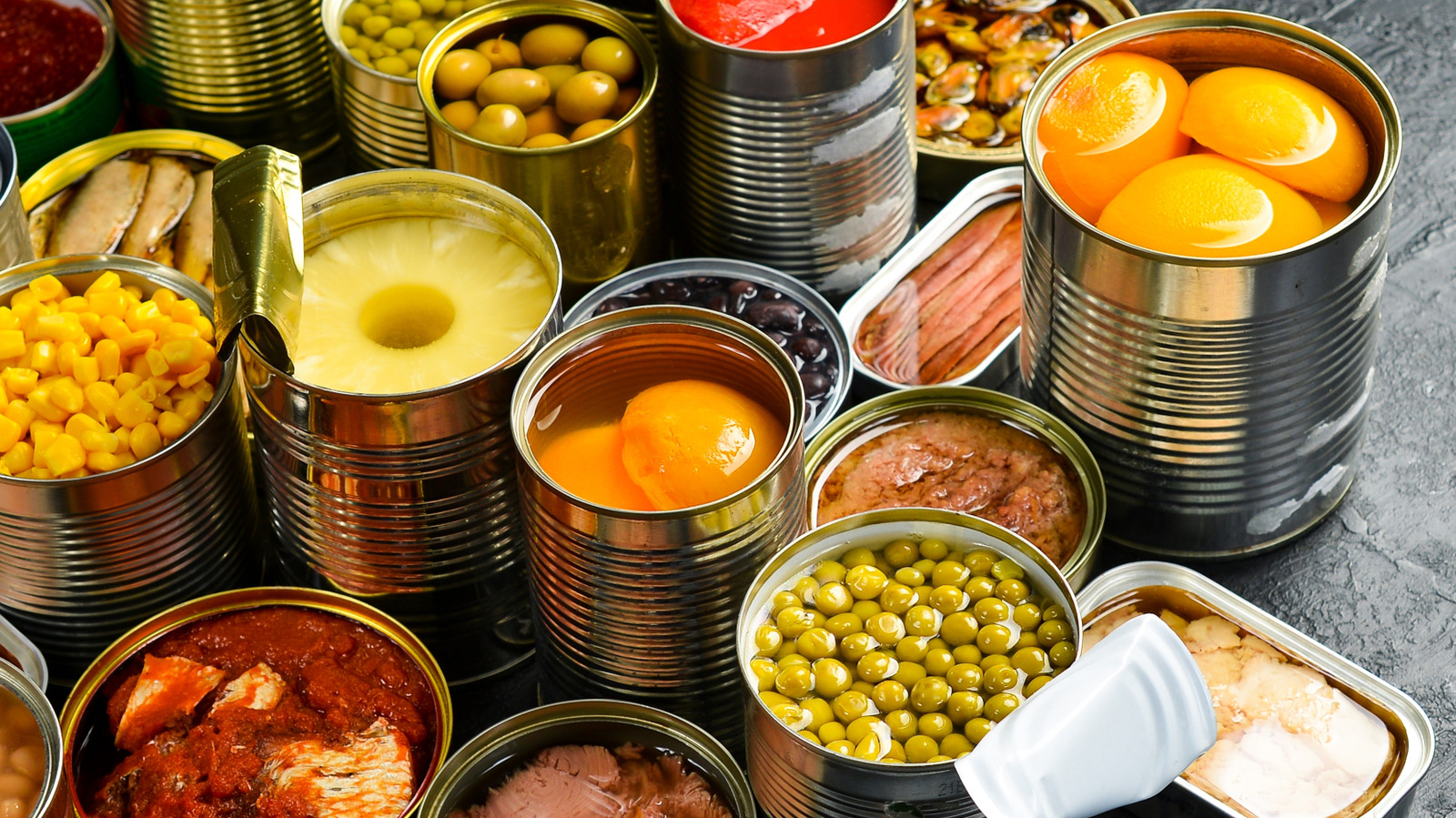
From beans and tomatoes to tuna, vegetables and fruit, canned foods have become a familiar presence in kitchens around the world, offering consumers an affordable and convenient way to keep food available for longer periods.
Their popularity is largely driven by convenience. Canned foods can be stored for extended periods without refrigeration while providing quick options for people with busy schedules. They can also be useful during emergencies, periods of food shortages or when fresh produce is unavailable or too expensive.
But despite their practicality, canned foods often find themselves at the center of debates about nutrition. The reality is more nuanced. Canned food is not automatically unhealthy, and its nutritional value depends largely on the product, ingredients and preparation.
Some canned foods can provide important nutrients. Canned beans, vegetables, fish and fruit can contribute to a balanced diet, particularly when consumers choose products with lower levels of added sodium and sugar. In some cases, canned produce can also make nutritious foods more accessible throughout the year.
The major concern with many canned products is sodium. Salt is frequently added during processing for flavor, preservation and other technological purposes. The US Food and Drug Administration notes that diets high in sodium are associated with an increased risk of high blood pressure, while recommending that people aged 14 and older generally stay below 2,300 milligrams of sodium per day.
That does not mean consumers need to abandon canned foods. Instead, nutrition labels can help identify healthier choices. Products marked low sodium, reduced sodium or no salt added may be preferable where available. The FDA also recommends rinsing sodium containing canned foods such as beans, tuna and vegetables before eating, which can remove some of the sodium.
Another issue that has attracted public attention is packaging. Some cans have historically used materials containing bisphenol A, commonly known as BPA, in protective linings. The FDA says its current assessment continues to support the safety of approved BPA uses in food packaging while monitoring scientific evidence.
Consumers should also inspect cans before purchasing or eating their contents. Severely damaged, leaking, bulging or unusually compromised cans should not be treated casually, as damage can compromise food safety.
Ultimately, canned foods can form part of a healthy diet when selected thoughtfully. The key is not simply whether food comes from a can, but what is inside it.
Choosing vegetables, beans and fish with lower sodium, checking serving sizes and balancing canned products with fresh and frozen foods can make convenience compatible with good nutrition.
In a world where time is increasingly scarce, canned food remains popular.