

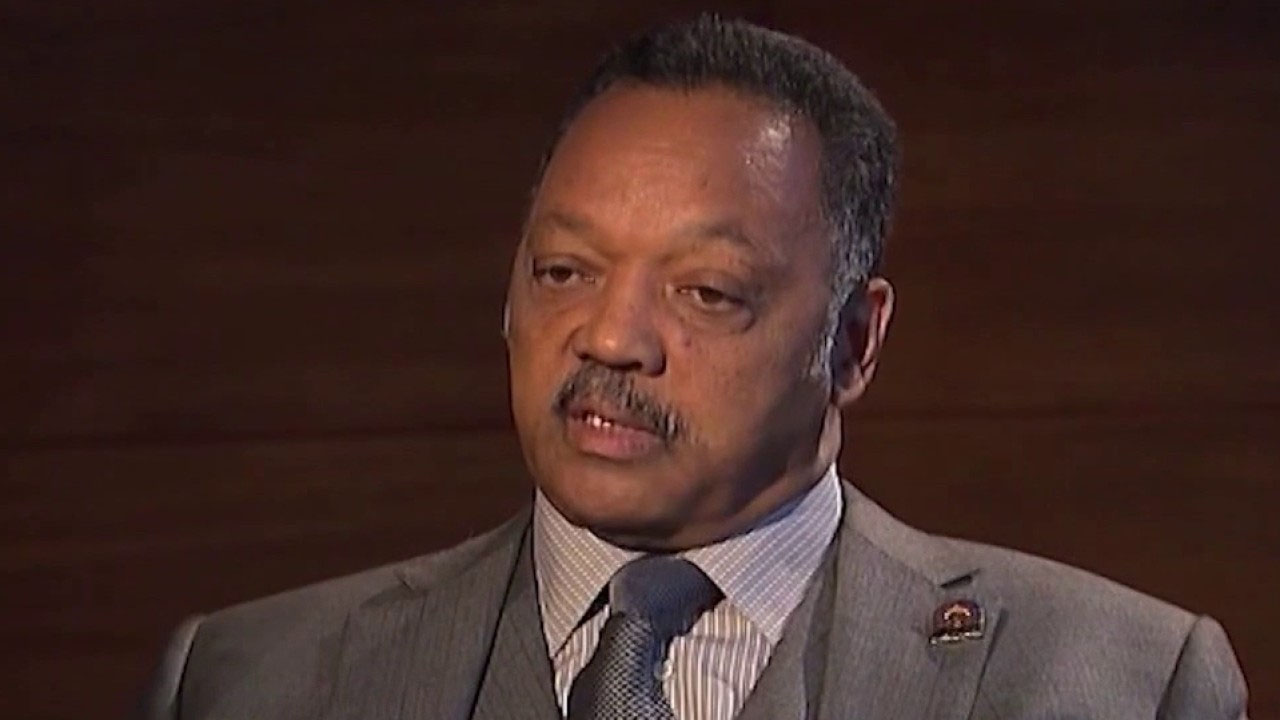
 Photo Credit:Associated Press
The Rev. Jesse Jackson was a towering civil rights activist, Baptist minister and two-time Democratic presidential contender.
A close associate of Martin Luther King Jr., Jackson emerged from the Southern freedom struggle to build national political influence. He later founded the Rainbow PUSH Coalition and negotiated the release of hostages abroad.
The Rev. Jesse Jackson, a defining voice of the modern civil rights era, died Tuesday at 84, his family confirmed.
In a statement, relatives said he passed away peacefully, surrounded by loved ones, after years of declining health. Jackson had disclosed a Parkinson’s diagnosis in 2017 and more recently battled progressive neurological illness.
For more than half a century, Jackson pressed America to confront racial inequality and economic injustice. Born in Greenville, South Carolina, he rose from the segregated South to stand alongside King during the most volatile chapters of the movement. He joined demonstrations, organized boycotts and helped lead Operation Breadbasket, an initiative aimed at expanding jobs and contracts for Black workers.
After King’s assassination in 1968, Jackson founded People United to Save Humanity, later evolving into the Rainbow PUSH Coalition, advocating voting rights, labor protections and educational access. His reach extended beyond U.S. borders as he negotiated the freedom of American captives in Syria, Cuba, Iraq and the Balkans.
Jackson twice sought the Democratic presidential nomination, in 1984 and 1988, winning primaries and caucuses while assembling a multiracial “Rainbow Coalition” of working-class voters, minorities and progressives. His campaigns reshaped party politics, broadening the electorate and elevating issues such as affirmative action and economic fairness.
He also served as a “shadow senator” for Washington, D.C., lobbying for statehood, and remained active in global human rights debates.
Controversy shadowed parts of his career, including offensive remarks during the 1984 campaign for which he later apologized. Yet even critics acknowledged his ability to command a crowd and force institutions to respond.
“Our father was a servant leader,” his family said, urging supporters to continue the pursuit of justice that defined his life.