

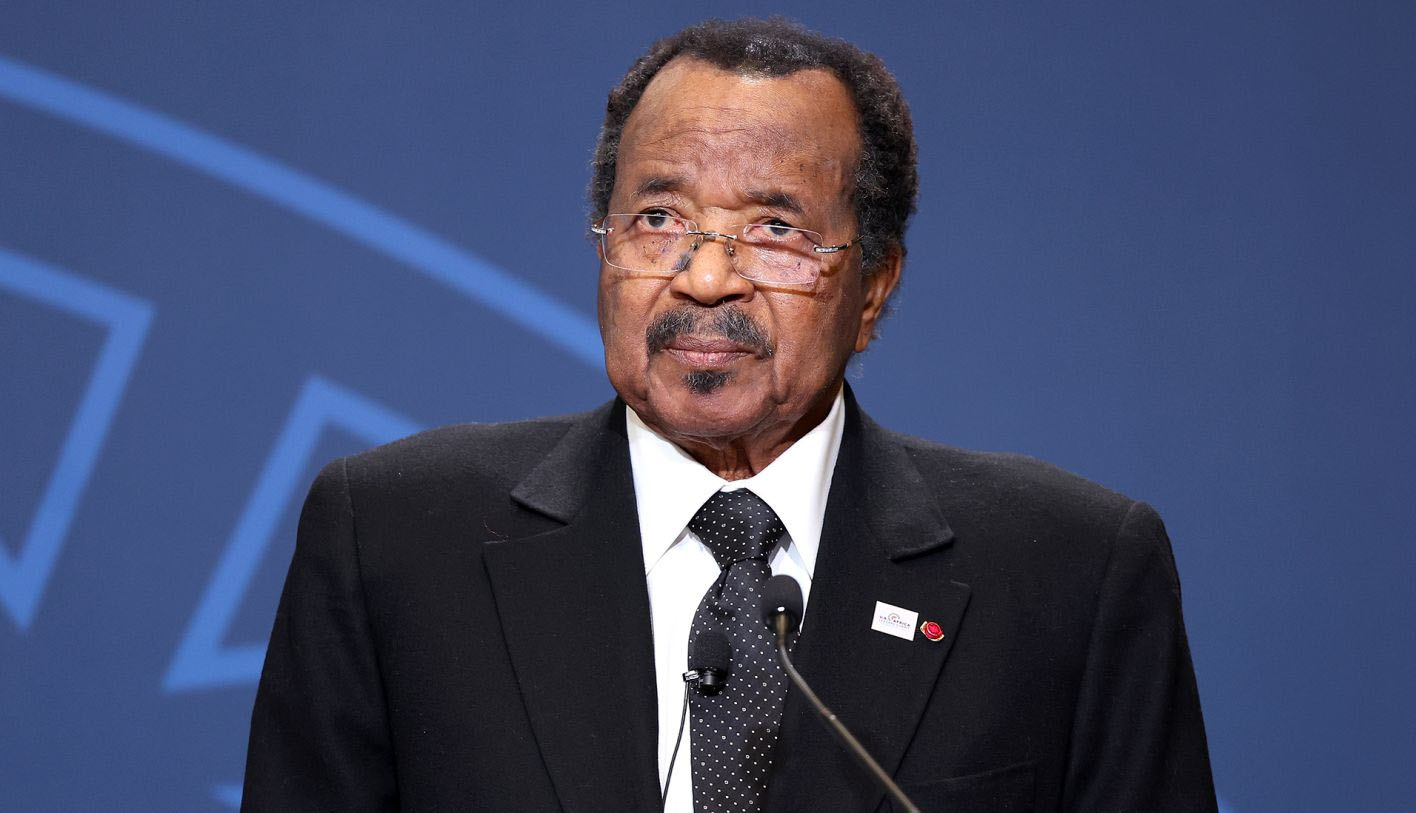
Photo Credit: Getty Images
Paul Biya, the world's oldest serving head of state, has officially announced his intention to seek an eighth term as President of Cameroon, just months shy of turning 93. In a statement shared on X, formerly known as Twitter, Biya cited overwhelming calls from citizens at home and abroad as the driving force behind his decision to run again in the October elections. He pledged continued commitment to addressing the nation's pressing challenges, despite growing concerns about his health and leadership.
Biya's tenure, which began in 1982, has stretched across four decades and multiple political shifts both within Cameroon and globally. During that time, he has remained an enduring, if controversial, figure in African politics. Now seeking to remain in power until at least age 99, his candidacy reignites debates over term limits, governance, and democratic transition in Cameroon.
His announcement was not unexpected. As leader of the Cameroon People's Democratic Movement (CPDM), Biya was widely considered the de facto candidate. However, his administration's growing detachment from public sentiment, persistent allegations of corruption, and failure to address ongoing security concerns have fueled public unrest and dissatisfaction. His prolonged absence from the public eye last year prompted rumors of ill health and even speculation of his death.
The political landscape has shifted notably ahead of the 2025 elections. Two longtime allies from the northern regions, Minister Issa Tchiroma Bakary and former Prime Minister Bello Bouba Maigari, have defected from Biya's coalition to run against him. Their departures reflect broader fractures within the ruling establishment. Opposition leaders such as Maurice Kamto, Joshua Osih, Akere Muna, and Cabral Libii have also declared their candidacies, presenting a crowded and uncertain electoral field.
Critics argue that Biya's enduring grip on power is symbolic of a stagnating political system unwilling to accommodate generational change. Although term limits were abolished in 2008, enabling Biya to run indefinitely, public opinion suggests a desire for leadership renewal. Despite this, fear of reprisals has left many citizens reluctant to express dissent openly. Those who do voice opinions often do so under anonymity or guarded conditions.
Nonetheless, Biya still commands loyalty among segments of the population. Some citizens view his long tenure as evidence of stability and seasoned governance. Others, like public worker Ngono Marius and consultant Sylvia Tipa, believe his experience continues to offer value to the nation, despite their personal preference for new leadership.
As Cameroon prepares for another pivotal election, Biya's candidacy has reignited difficult questions about leadership, accountability, and the future of democracy in the Central African republic. Whether his legacy will be defined by resilience or resistance to change remains to be seen.