

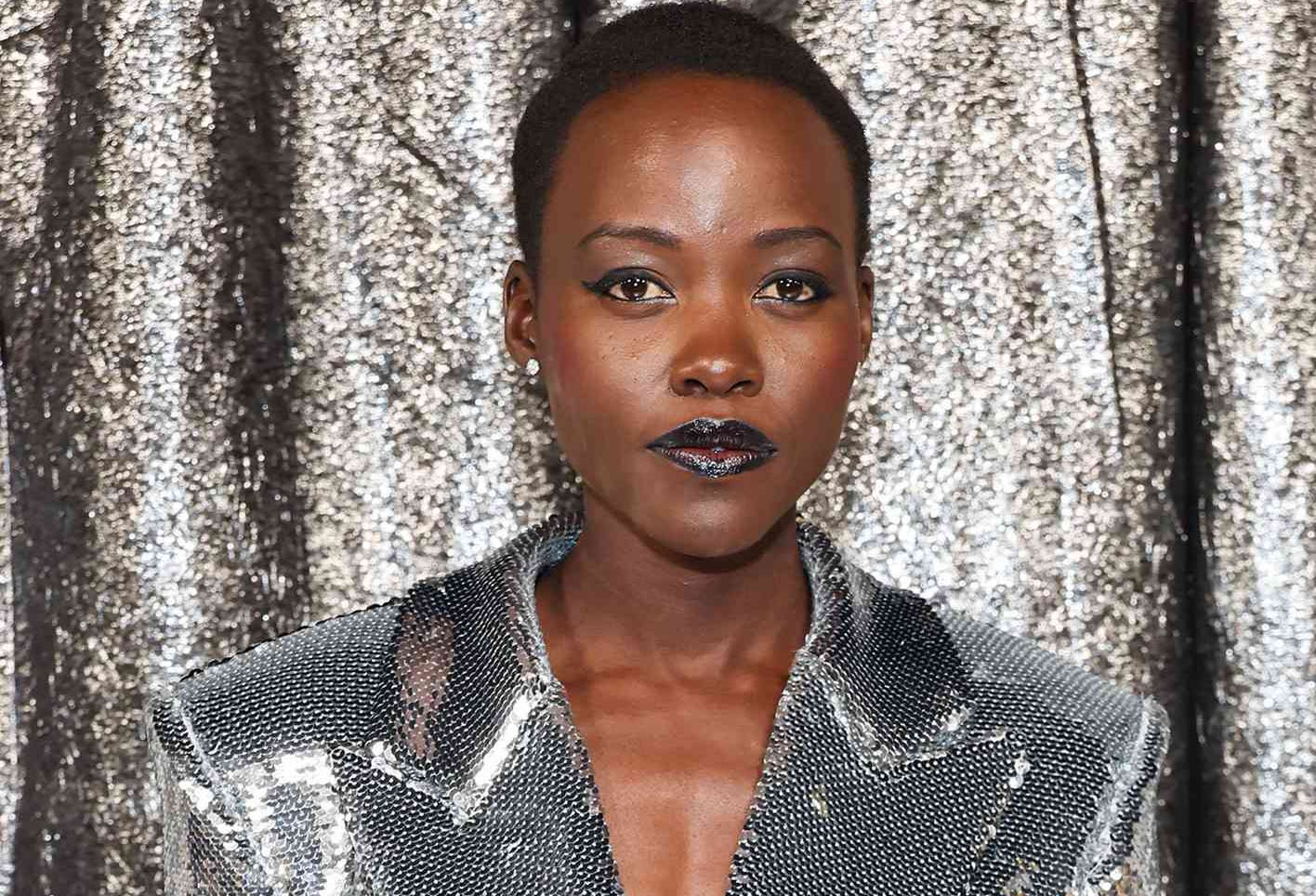
Photo Credit: Getty Images
Lupita Nyong'o has opened up about her painful battle with uterine fibroids, revealing that she underwent surgery to have 30 growths removed in 2014, the same year she won the Academy Award for Best Supporting Actress for her role in *12 Years a Slave*. The actress, now 42, shared her experience on Instagram as she announced the launch of a new research initiative to support better treatment for the condition.
Nyong'o explained that fibroids, while benign, can cause severe symptoms such as heavy and prolonged periods, pelvic pain, and bladder issues. Despite how common they are, especially among women of color, she pointed out how little they are discussed. "Eight out of ten Black women and seven out of ten white women will experience fibroids," she wrote. "Yet we speak so little of them."
She shared that when she first asked her doctor if there was a way to prevent them, she was told it was only a matter of time before they grew back. Reflecting on her personal journey, she posted a photo of herself from her youth and wrote, "When we reach puberty, we're taught that periods mean pain, and that pain is simply part of being a woman." After opening up privately about her experience, she learned that many women were facing similar struggles in silence.
Nyong'o expressed frustration that such a widespread condition is often overlooked. "No more suffering in silence," she wrote. "We need to stop treating this massive issue like a series of unfortunate coincidences. We must reject the normalization of female pain." She called for better awareness, early education for teenagers, improved screening, and investment in prevention research and less invasive treatments.
To help drive this change, the *A Quiet Place: Day One* star has partnered with the Foundation for Women's Health to launch the FWH x Lupita Nyong'o Uterine Fibroid Research Grant. The grant aims to support the development of minimally invasive or non-invasive treatment options that can ease symptoms and enhance quality of life for millions of women.
Nyong'o concluded her message with a powerful call to action, encouraging more focus on women's health and prioritizing research for this chronic and often debilitating condition.