

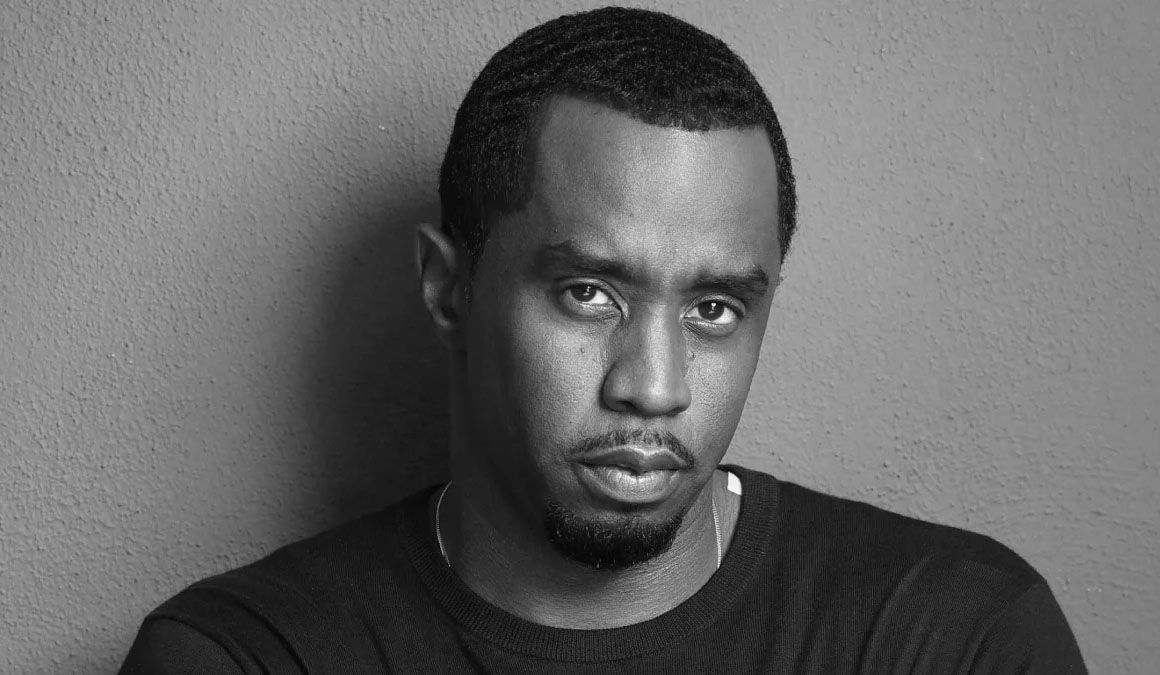
Photo Credit:Getty images
Sean "Diddy" Combs’s legal team is challenging his conviction, arguing in a new appeal that the “freak-offs” central to the case were not acts of prostitution but rather “amateur pornography” protected under the U.S. Constitution.
The argument was presented during an April 9 hearing, where Combs’ lawyers pushed to overturn his conviction under the Mann Act—a federal law that prohibits transporting individuals across state lines for prostitution. The rapper is currently serving a 50-month sentence following his 2024 conviction.
Defense attorney Alexandra Shapiro told the court the case raises broader concerns about public confidence in the justice system, as the team seeks both an appeal and a possible reduction in sentence.At the core of the appeal is the defense’s claim that the so-called “freak-offs were actually staged, consensual performances. According to court filings, the events involved costumes, role play and lighting setups, and were recorded for private viewing by Combs and his partners.
His legal team argues that this places the acts within the realm of adult content rather than prostitution, and therefore under the protection of the First Amendment.
They further maintain that the Mann Act should apply only to situations where there is a clear transactional exchange between a paying client
and a sex worker, not to what they describe as filmed, consensual sexual performances.
Prosecutors, however, have strongly rejected this interpretation, calling the argument “meritless.” They insist that Combs’ actions clearly fall within the scope of the law, alleging that he arranged and financed the travel of individuals to engage in sex acts for his own gratification, and at times participated in those acts.
According to the prosecution, accepting the defense’s position could create a loophole allowing individuals to evade prosecution simply by filming such encounters.
The appeal also challenges the length of Combs’ sentence, with his legal team arguing that the 50-month term is significantly higher than the typical 15-month sentence handed down in similar cases.
They further claim that the presiding judge, Judge Arun Subramanian, improperly considered allegations tied to charges for which Combs was
acquitted, including racketeering and sex trafficking.
Prosecutors dispute this as well, arguing that the judge was within his rights to consider the broader context of Combs’ behavior, including his relationships with the individuals involved, when determining the sentence.
Combs was not present in court for the hearing. Judges will now review the arguments before deciding whether to uphold the conviction, reduce the sentence, or potentially order a new trial.
The argument was presented during an April 9 hearing, where Combs’ lawyers pushed to overturn his conviction under the Mann Act—a federal law that prohibits transporting individuals across state lines for prostitution. The rapper is currently serving a 50-month sentence following his 2024 conviction.
Defense attorney Alexandra Shapiro told the court the case raises broader concerns about public confidence in the justice system, as the team seeks both an appeal and a possible reduction in sentence.At the core of the appeal is the defense’s claim that the so-called “freak-offs were actually staged, consensual performances. According to court filings, the events involved costumes, role play and lighting setups, and were recorded for private viewing by Combs and his partners.
His legal team argues that this places the acts within the realm of adult content rather than prostitution, and therefore under the protection of the First Amendment.
They further maintain that the Mann Act should apply only to situations where there is a clear transactional exchange between a paying client
and a sex worker, not to what they describe as filmed, consensual sexual performances.
Prosecutors, however, have strongly rejected this interpretation, calling the argument “meritless.” They insist that Combs’ actions clearly fall within the scope of the law, alleging that he arranged and financed the travel of individuals to engage in sex acts for his own gratification, and at times participated in those acts.
According to the prosecution, accepting the defense’s position could create a loophole allowing individuals to evade prosecution simply by filming such encounters.
The appeal also challenges the length of Combs’ sentence, with his legal team arguing that the 50-month term is significantly higher than the typical 15-month sentence handed down in similar cases.
They further claim that the presiding judge, Judge Arun Subramanian, improperly considered allegations tied to charges for which Combs was
acquitted, including racketeering and sex trafficking.
Prosecutors dispute this as well, arguing that the judge was within his rights to consider the broader context of Combs’ behavior, including his relationships with the individuals involved, when determining the sentence.
Combs was not present in court for the hearing. Judges will now review the arguments before deciding whether to uphold the conviction, reduce the sentence, or potentially order a new trial.