Photo Credit: Getty Images
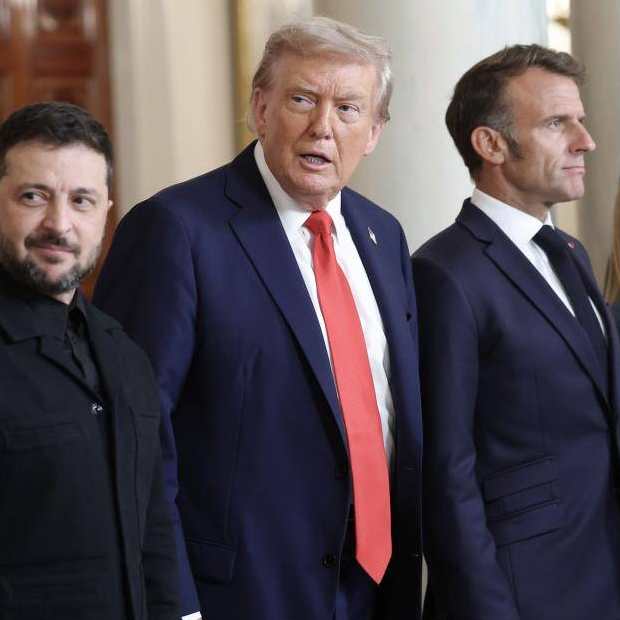
President Trump blew up his own peace deal with Iran on Wednesday, branding the regime "sick people" and "scum" hours after ordering blistering airstrikes on 80 targets across the country. The blunt declaration came from Ankara, Turkey, where Trump was attending a NATO summit when reporters pressed him on the fate of his memorandum of understanding.
"To me, I think it's over. I don't want to deal with them anymore. They're scum," Trump said, unloading on the regime in his first public remarks since the strikes.
The president didn't hold back, and he piled on with a string of brutal insults aimed squarely at Tehran. "They're vicious, violent people," he said, adding that so far as he's concerned, it's over, and that dealing with Iran has become nothing but a waste of time.
Trump ordered the overnight strikes in direct retaliation for Iranian attacks on commercial ships in the Strait of Hormuz, a critical waterway that carries roughly a fifth of the world's oil exports. Iran struck three vessels Monday and Tuesday after demanding ships use a Tehran-controlled route instead of the Omani corridor favored by the U.S. and its allies.
The fiery exchange escalated fast, and Iran's Revolutionary Guard Corps fired back by launching strikes on American military targets in Bahrain and Kuwait. Trump also referenced past Iranian assassination plots against him, revealing he's on "every single one of their lists."
"These are evil, sick people and we have to rid their cancer," Trump declared, doubling down on his hardline stance. He said he'd let negotiators keep talking if they wanted to, but made clear he sees little point in continuing.
Iran's lead negotiator, Parliament Speaker Mohammad Bagher Ghalibaf, fired back defiantly, insisting the era of bullying and extortion is over. "It leads nowhere. We don't fold," he said in a statement Wednesday morning.
The collapsing truce threatens to overshadow the NATO summit entirely, and oil prices spiked immediately after Trump's comments hit the wires. The 14-point agreement, signed at Versailles in June, had promised a 60-day window to reopen Hormuz while negotiators hashed out Iran's nuclear program.
