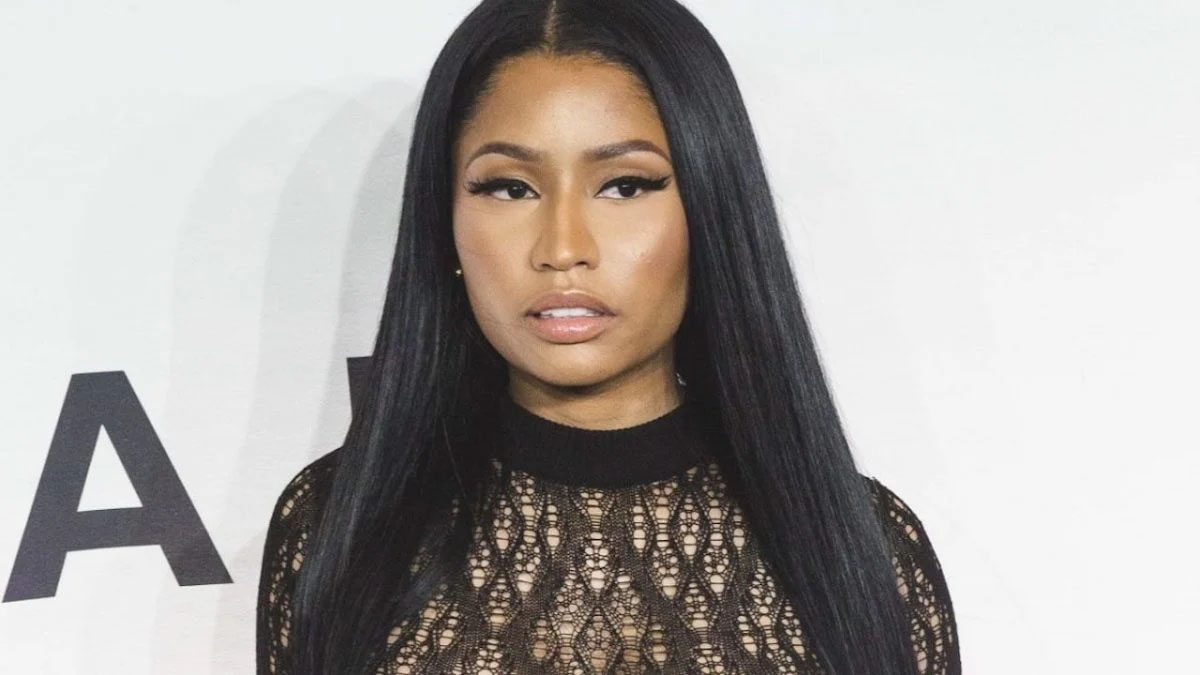
Photo Credit: Getty Images
A digital campaign calling for the United States government to review the residency status of Onika Tanya Maraj-Petty, known professionally as Nicki Minaj, has crossed a significant threshold, surpassing 70,000 signatures as of January 1, 2026. The petition, hosted on Change.org and initiated by activist Tristan Hamilton, saw a massive surge in participation during the final week of December.
This public outcry was primarily triggered by Minaj’s surprise appearance at Turning Point USA’s AmericaFest in Phoenix, Arizona, on December 21, 2025. During a featured interview with Erika Kirk, the widow of the organization’s late founder, Charlie Kirk, Minaj officially solidified her alignment with the MAGA movement, expressing “utmost respect and admiration” for President Donald Trump and Vice President JD Vance.
The petition frames the call for deportation as a matter of accountability for a public figure who possesses a massive global platform. Its organizers and supporters argue that Minaj has abandoned the very communities that built her career, specifically citing her recent rhetoric as harmful to LGBTQ+ individuals and black women. Central to the complaint is the assertion that her recent statements, such as her comment at the conservative summit that “boys should just be boys,” represent a stark reversal of the inclusivity she once championed.
Beyond political friction, the movement also highlights long-standing grievances regarding her husband Kenneth Petty’s status as a registered sex offender and the couple’s various legal battles involving alleged witness intimidation, suggesting that these combined factors justify a re-evaluation of her right to reside in the country.
From a legal standpoint, however, the petition faces nearly overwhelming hurdles, as the grounds for deporting a Lawful Permanent Resident are strictly defined by federal statute. Under the Immigration and Nationality Act, a green card holder typically only faces removal for specific causes such as the conviction of an aggravated felony or a “crime involving moral turpitude,” engaging in marriage fraud, or being deemed a direct threat to national security through involvement in terrorism or espionage. While the petition argues that her “divisive conduct” and “harmful rhetoric” warrant review, U.S. law does not currently allow for the revocation of residency based on political speech or public statements, which are largely protected under the First Amendment.
Despite the low probability of government intervention, the sheer volume of signatures has forced a major conversation about the boundaries of celebrity influence. Minaj has remained characteristically defiant throughout the controversy, using her Stationhead radio broadcasts to defend her right to independent thought and religious expression. She has characterized the deportation effort as an attempt by “disgruntled” critics to bully her into silence for embracing conservative values.
