Photo Credit: Getty Images
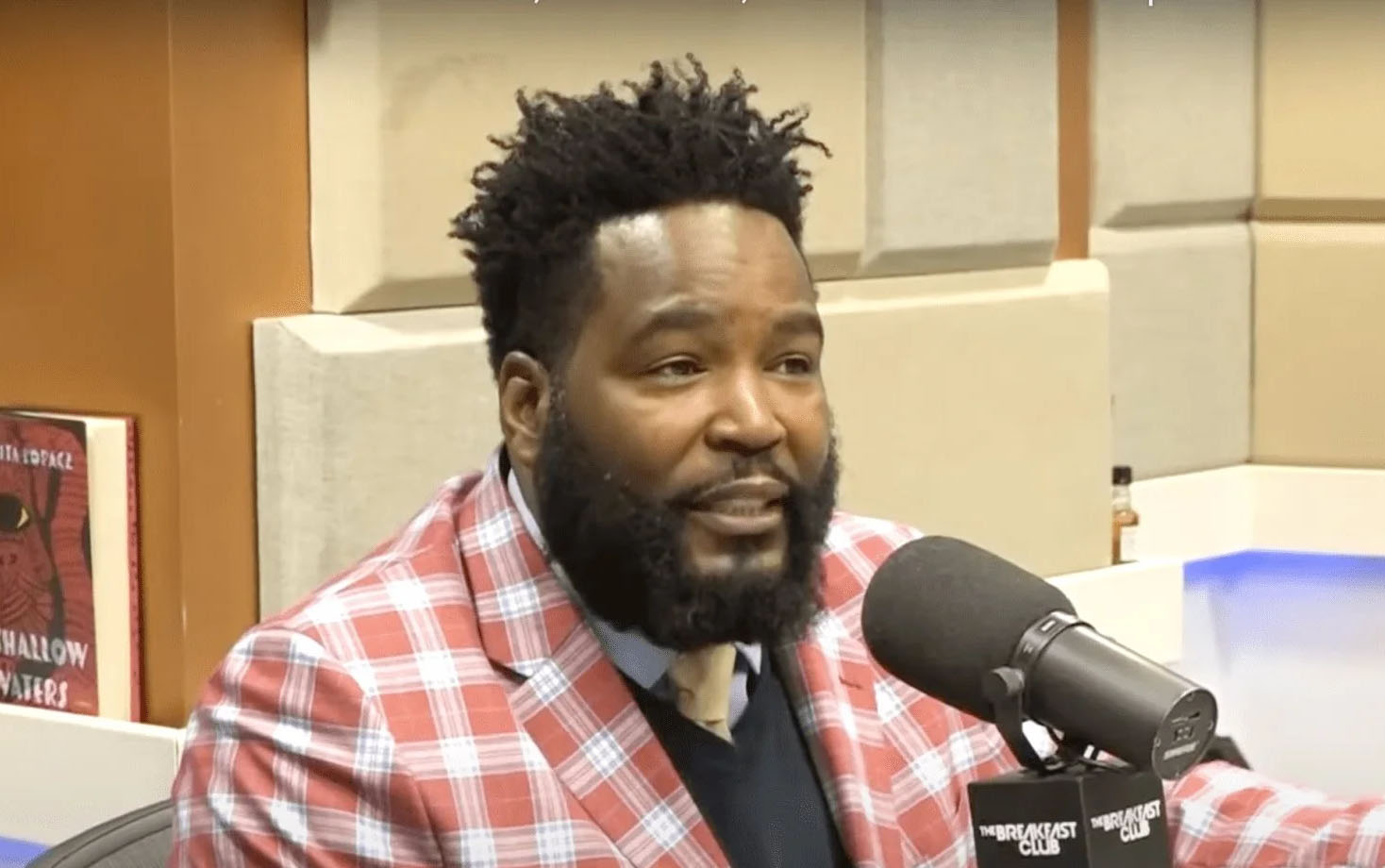
Dr. Umar Johnson has publicly criticized what he described as people in his community celebrating the death of Charlie Kirk. While reaffirming that he strongly disagrees with many of Kirk’s statements and views, calling him an “anti-Black bigot”, Dr. Umar said that celebrating a human life lost is not acceptable.
He made the remarks in social media posts, stating: “While I did not agree with Mr. Kirk’s rhetoric … I will never rejoice at the loss of life of anyone who hasn’t directly participated in the unaliving of a member of the Black Afrikan race. I am ashamed to see members of my community celebrating this situation.”
He added that although he will not demand grief for someone he considers an enemy of his race, “to celebrate an unaliving is completely unacceptable.” He also noted that many Black people have historically been victims of political violence, urging people to show more reflection rather than joy in the face of someone else’s death.
“I have pity for his kids, but that’s about it. Charlie Kirk was a hateful individual who derived joy from being racist, homophobic, islamophobic, pro-genocide, anti-human rights, a religious fanatic, pro-guns, anti-abortion, anti-women, and anti-people of colour.” — one user on social media wrote. “I do not CELEBRATE anyone’s death, so I’m not celebrating, but LET THIS BE A LESSON TO OTHERS. Charlie Kirk spent his time on this earth attacking Black people & being racist… & that’s how he’ll be remembered.” — Barry Spike
Dr. Umar’s comments have sparked discussion across social media. Some users support his perspective, saying that celebrating death crosses a moral line, regardless of disagreements with the deceased. Others argue that strong criticism or condemnation of someone’s views is valid, and that emotional responses are expected given political polarization. Still others deny that celebration is widespread, suggesting that people are reacting in other ways, that is, shock, disbelief, or criticism rather than jubilation.
His message frames celebration of death as harmful, calling for more compassion and dignity in responses. He suggests that even when someone’s ideas are offensive or hurtful, the ethical boundaries of how we respond to death are important.
