Photo Credit: Getty Images
A looming humanitarian crisis in north-eastern Nigeria has sparked alarm among aid agencies as funding cuts threaten to further destabilize a region already ravaged by Boko Haram's insurgency. With the World Food Programme (WFP) officially running out of aid, fears are mounting that militants will exploit desperation and hunger to swell their ranks.
The WFP's head of operations in the region, Trust Mlambo, did not mince words when describing the situation: "It will be much easier for militants to lure youths to join them," he said. The UN agency, which had been forced to ration aid earlier in the year, has now hit a complete stop, citing empty warehouses and an urgent need for donations.
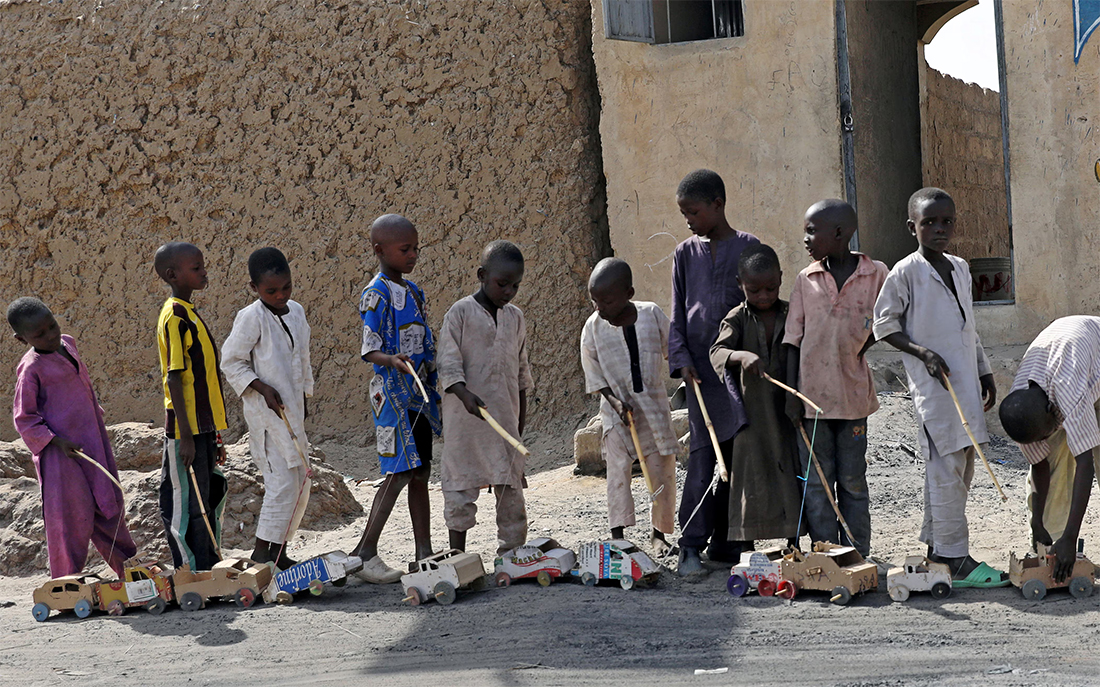
Boko Haram, which began as a religious movement opposing Western education, has evolved into one of the world's most dangerous extremist groups. Its insurgency has displaced over 1.4 million people, most of whom now rely entirely on humanitarian aid to survive. These camps, such as the one in Gwoza where many displaced people now reside, are no longer just shelters,they are lifelines.
Among the displaced is Aisha Abubakar, a mother who has lost most of her family to violence and illness. Fleeing her village, she found refuge in Gwoza and is now raising her children, including one rescued from Boko Haram captivity. Despite receiving a $20 debit card allocation, she admits the money is barely enough to buy food for a week, let alone a month.
The crisis is compounded by a sharp rise in child malnutrition. Médecins Sans Frontières reports over 650 child deaths due to severe malnutrition since January. Clinics are overwhelmed, and with more than 150 donor-funded health centres facing closure, the situation grows more dire by the day.
The United States, previously the largest donor to the WFP, acknowledged that recent restructuring under its "America First" policy had affected humanitarian allocations. Meanwhile, Nigerian Vice-President Kashim Shettima has publicly recognised the crisis, stating that 40% of Nigerian children under five face developmental challenges due to malnutrition.
Despite promises to act, the real test lies in how swiftly the Nigerian government can respond. Without immediate global support, millions may be left vulnerable—not just to hunger, but to the ideologies and violence that thrive in such desperation.
The stakes are painfully high. Aid cuts are not just budget decisions,they are potential fuel for one of the world's longest-running humanitarian disasters.
