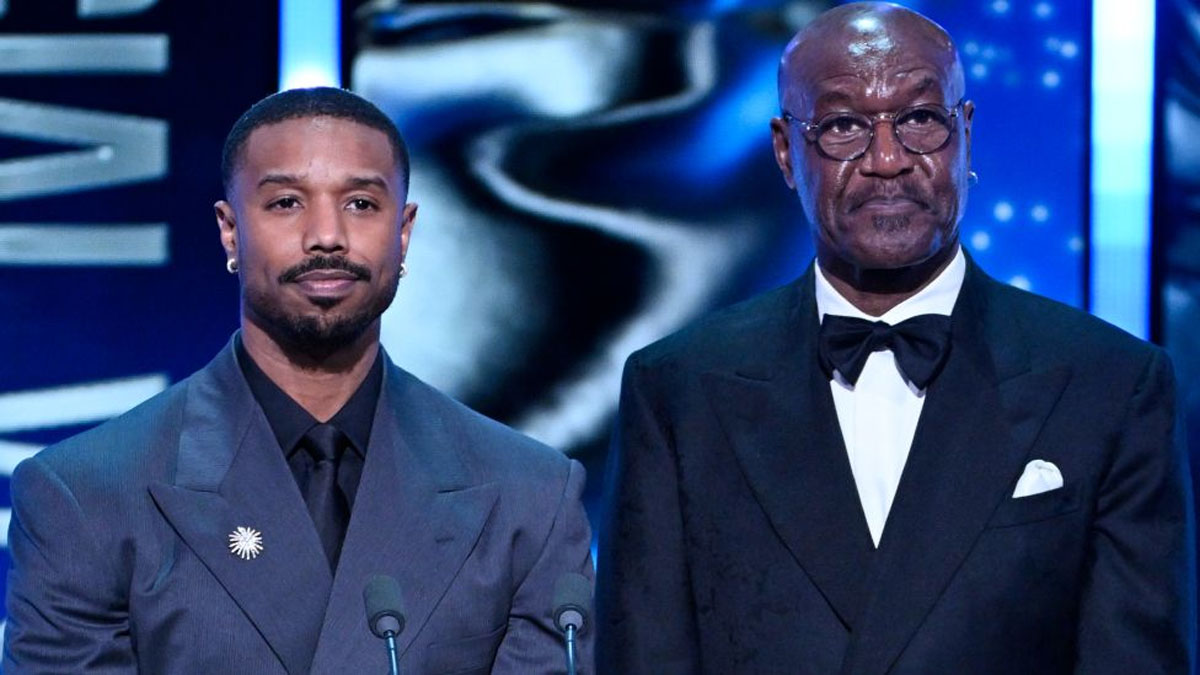
 Photo Credit:Getty Images
The BBC has formally upheld complaints following the broadcast of a racial slur during its coverage of the BAFTA Film Awards, admitting that the incident breached its editorial standards. The moment occurred during the February ceremony when actors Michael B Jordan and Delroy Lindo were presenting an award.
According to the corporation’s Executive Complaints Unit, the slur was shouted involuntarily by a Tourette syndrome campaigner seated in the audience. Although the ceremony was not broadcast live and instead aired on BBC One with a two hour delay, the offensive word was not removed during editing. The unedited version was also made available on the BBC iPlayer streaming platform until the following morning, further intensifying public reaction.
BBC Chief Content Officer Kate Phillips acknowledged the seriousness of the incident. She confirmed that the Executive Complaints Unit found the inclusion of the slur to be highly offensive and without editorial justification. However, she emphasized that the breach was unintentional, explaining that the production team did not hear the word at the time it was spoken. As a result, no decision was made to remove it before broadcast.
The complaints unit received a large number of viewer concerns and upheld those relating to harm and offence. It also described the failure to promptly remove the unedited version from iPlayer as a serious mistake, noting that leaving it accessible overnight worsened the impact of the incident. Phillips added that confusion among the production team about whether the slur was audible contributed to the delay in taking the recording down.
Former BBC Director General Tim Davie had earlier expressed regret, stating that the editing team did not intentionally leave the word in the broadcast. The Executive Complaints Unit supported this view, concluding that while the breach was clear, it resulted from human error rather than deliberate action.
The incident had a noticeable emotional impact on those involved in the ceremony. Actress Wunmi Mosaku, who won Best Supporting Actress, said the moment tainted what should have been a celebratory evening. She later shared that it affected her deeply, even bringing her to tears. Despite this, she expressed no personal resentment toward the campaigner responsible for the outburst.
The campaigner, John Davidson, also spoke out, suggesting that the BBC should have taken stronger precautions to prevent any of his involuntary vocalizations from being broadcast. He questioned why he had been seated close to a microphone during the event. Davidson had attended the ceremony because a film based on his life, I Swear, was nominated and ultimately won three awards.
Public figures reacted strongly. Culture Secretary Lisa Nandy described the broadcast as unacceptable and harmful, while Conservative Party leader Kemi Badenoch called it a horrible mistake. Ceremony host Alan Cumming also issued an apology following the event.
In response, the BBC has pledged to strengthen its processes, particularly around live event production and content review before broadcast. Phillips stated that the organization must learn from the incident and ensure more robust safeguards are in place to prevent similar errors in the future.
