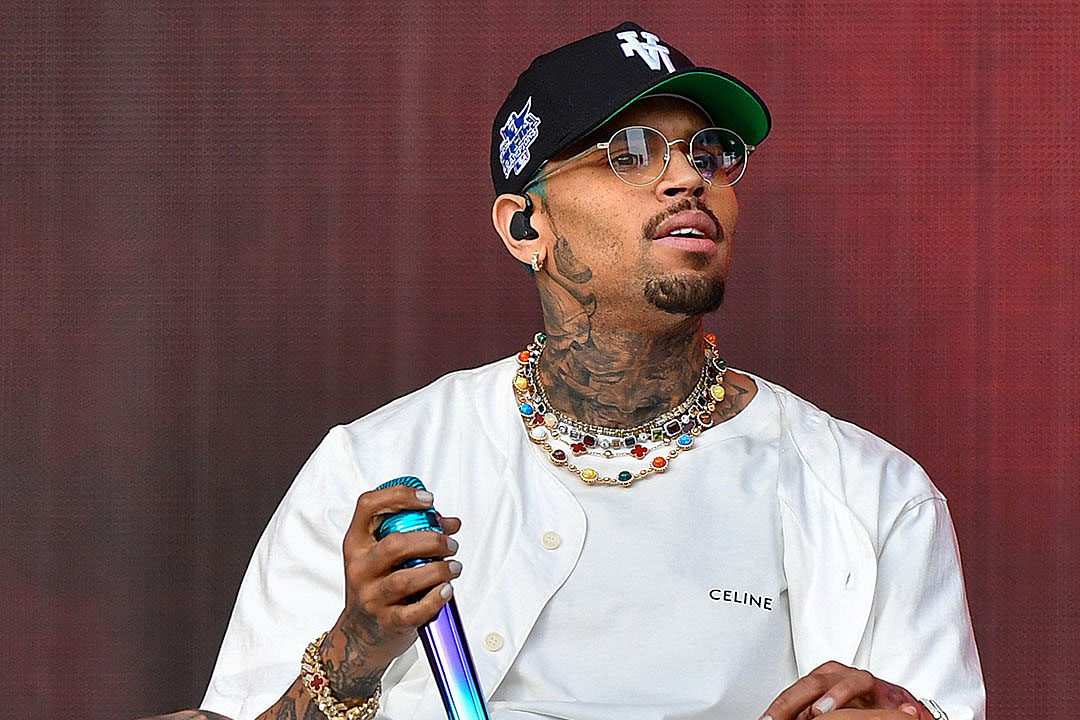
Photo Credit: Getty Images:
In a significant legal victory for media freedom and investigative journalism, a Los Angeles Superior Court judge has dismissed a $500 million defamation lawsuit filed by R&B superstar Chris Brown against Warner Bros. Discovery and Ample Entertainment. The ruling brings an end to the singer’s aggressive legal challenge against the producers of the documentary Chris Brown: A History of Violence.
The lawsuit was originally filed in late 2024, shortly after the documentary premiered on Investigation Discovery (ID). The film provided an exhaustive timeline of Brown’s legal troubles, spanning from his 2009 assault of Rihanna to more recent allegations of sexual assault and physical altercations. Brown’s legal team argued that the documentary was a “maliciously crafted hatchet job” that relied on “discredited witnesses” and “unsubstantiated rumors” to permanently damage his multi-billion-dollar brand. The $500 million figure sought by Brown was intended to compensate for alleged lost touring revenue, sponsorship cancellations, and emotional distress.
In his ruling, Judge Michael P. Vicencia sustained the defendants’ motion to strike the complaint under California’s anti-SLAPP (Strategic Lawsuit Against Public Participation) statute. This law is designed to protect individuals and media organizations from meritless lawsuits intended to chill free speech on matters of public interest. The judge determined that the documentary addressed matters of significant public concern and that Brown failed to provide “clear and convincing evidence” that the filmmakers acted with actual malice.
Attorneys for Warner Bros. Discovery and Ample Entertainment argued that the documentary was meticulously researched and that every allegation mentioned was either backed by police records, court filings, or first-hand on-camera testimony. “This ruling reaffirms that powerful figures cannot use the court system to silence investigative reporting on their past conduct,” a spokesperson for Warner Bros. Discovery stated following the hearing.
The dismissal is a major setback for Brown, who has spent much of the last two years attempting to rehabilitate his public image ahead of a planned 2026 world tour. Under the provisions of the anti-SLAPP statute, Brown may now be responsible for paying the legal fees incurred by the media giants, which are estimated to be in the hundreds of thousands of dollars. While Brown’s representatives have indicated they intend to appeal the decision, legal experts suggest that overturning an anti-SLAPP dismissal is an uphill battle in the California appellate system.
