Photo Credit:Jordan Ruimy
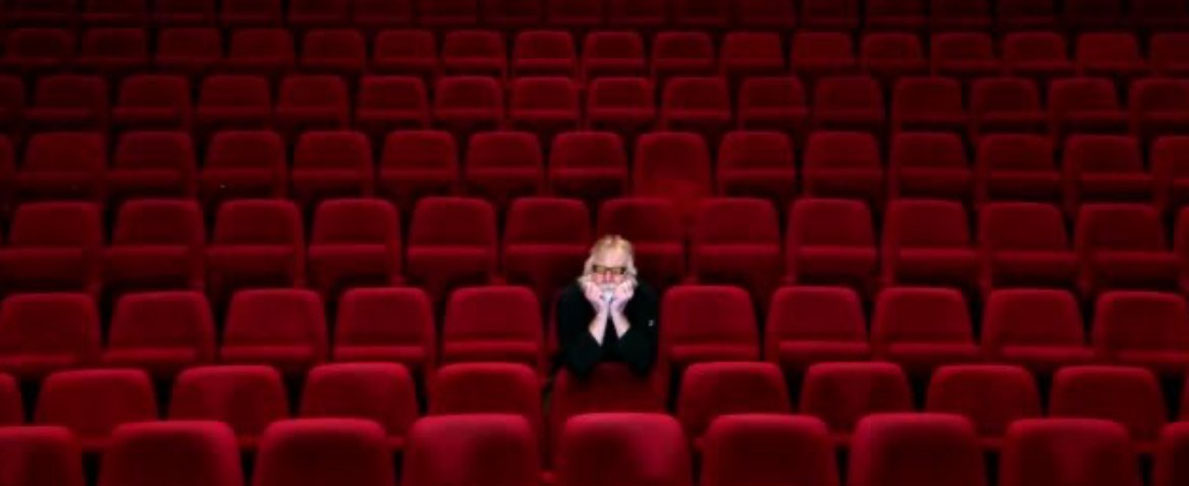
A new industry survey paints a dark picture for the future of movie-going in the United States. In a film analyst Stephen Follows survey together with exhibitor- focused publication Screendollars, more than half of U.S.-based exhibition executives concur that the classic cinema experience is less than 20 years as a viable business model.
The survey garnered views from 246 film industry executives, across segments of exhibition, production, distribution, and TV. The respondents were asked to share their viewpoints on post-COVID recovery at the box office, shifting release windows, and the growing prevalence of streaming sites.
When asked how many years they believed the “traditional” model of the theater would last, close to 55% of movie executives selected ranges between “less than five years” and “10 to 20 years.” This reflects widespread skepticism regarding the long-term sustainability of conventional movie-going patterns.
Notably, exhibition executives were the most upbeat among their industry peers. Sales and distribution individuals were the most negative, and over 60% predicted that the traditional cinema has less than 20 years to live. This split reflects a broader industry tension on whether theaters can adapt or are destined for certain obsolescence.
The term “traditional cinema experience” was not defined in the survey. There was a possibility, as was noted by Follows, that the respondents might see premium options like IMAX or 4DX differently from a traditional auditorium and thereby impact their projections. He added that the term could evolve over time, allowing cinemas, though in new forms, to stay economically and culturally sustainable.
Other findings of the survey also highlight the struggles of the industry. Nearly 90% of U.S. exhibition executives reported that their revenues have not yet recovered to pre-pandemic levels. Meanwhile, 81% of them reported they prefer a six-week or greater theatrical exclusivity window for new releases, and 77% said day-and-date streaming releases hurt the theatrical model.
The research underlines the fragile state of theatre exhibition and the intense fears of insiders. Though there are optimists who believe in change, not apocalypse, the evidence reveals that the traditional cinema experience is on a countdown timer — unless it can rebirth itself successfully in the face of speeding technological and consumer transformation.
